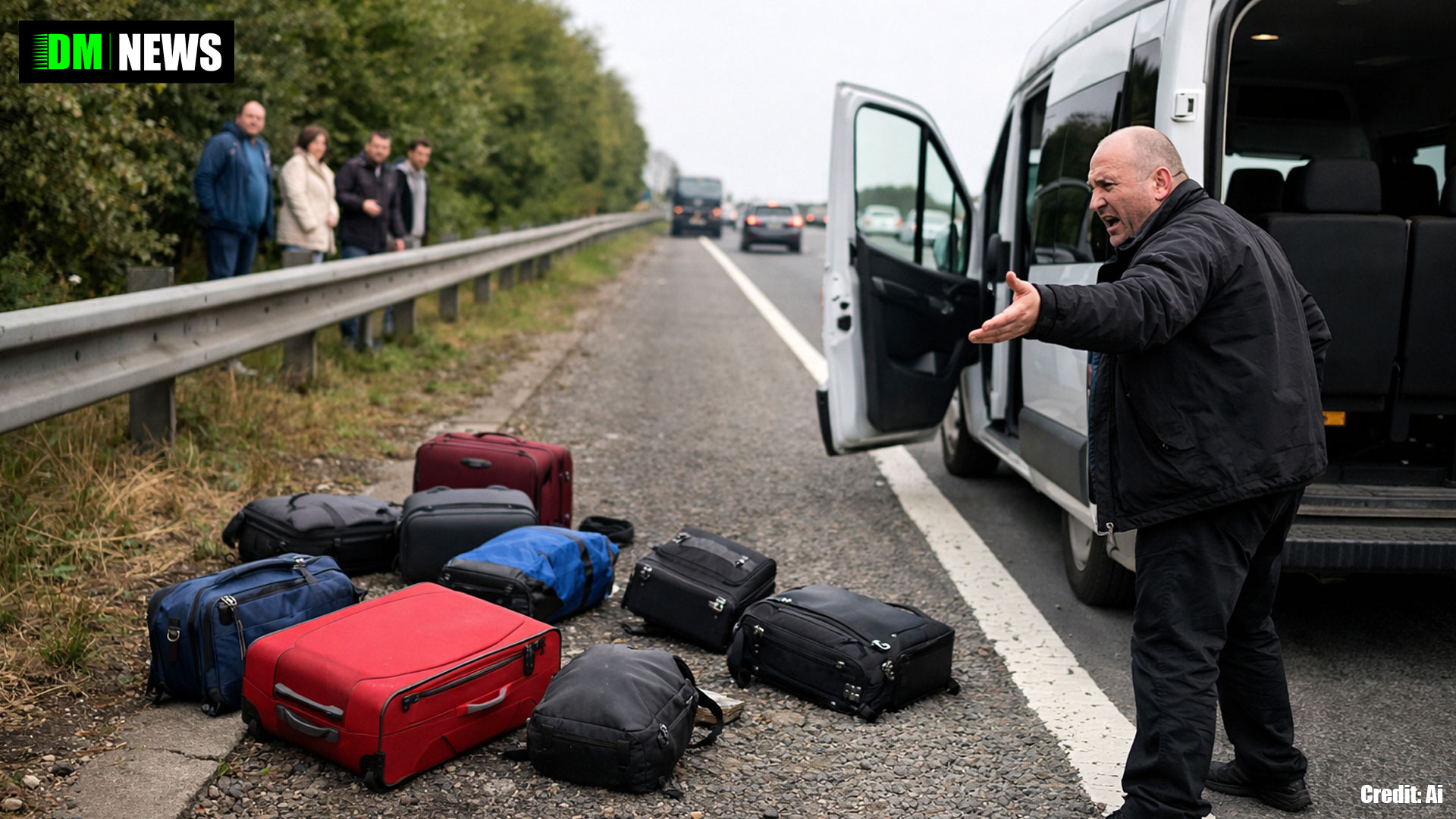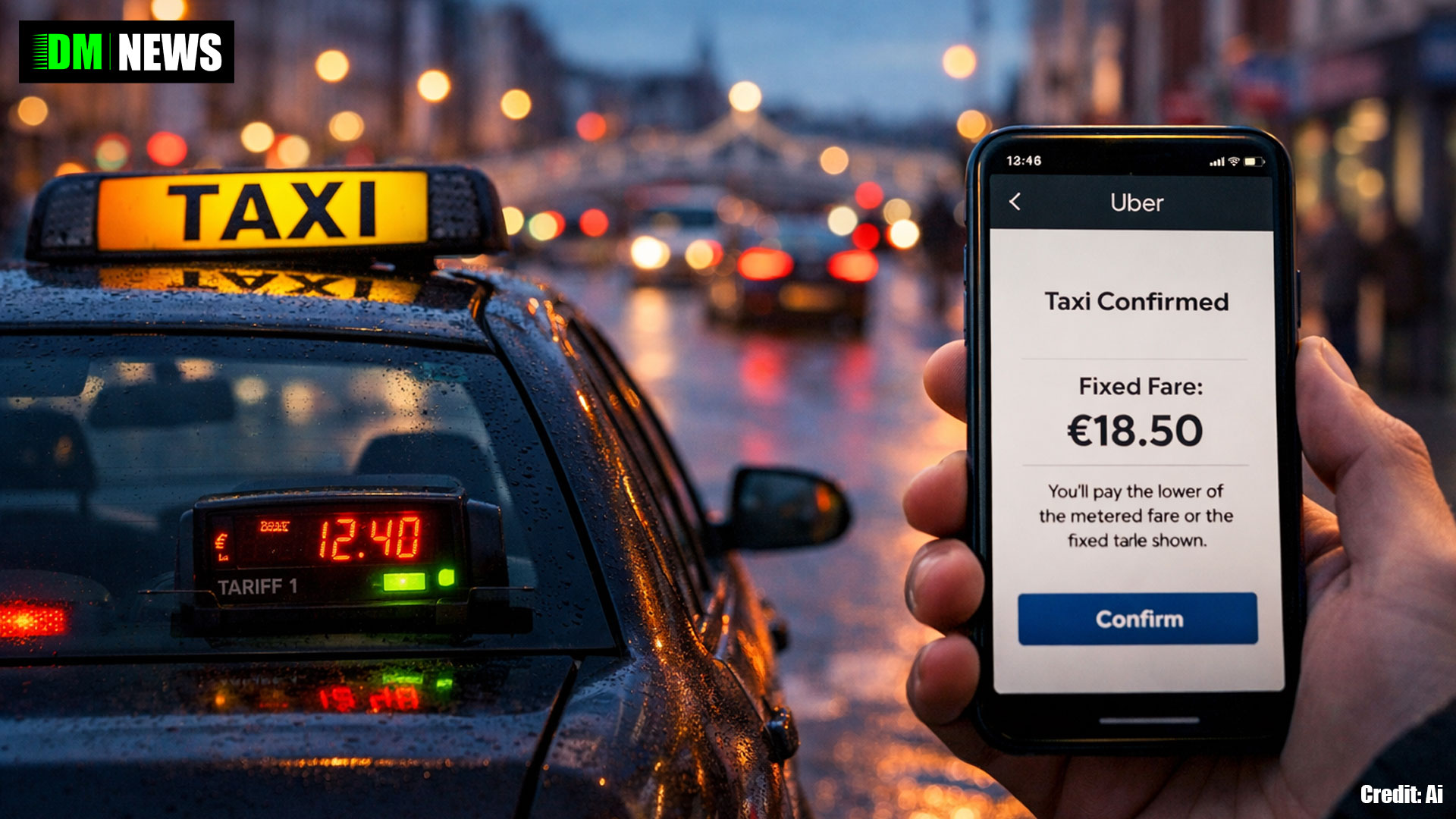
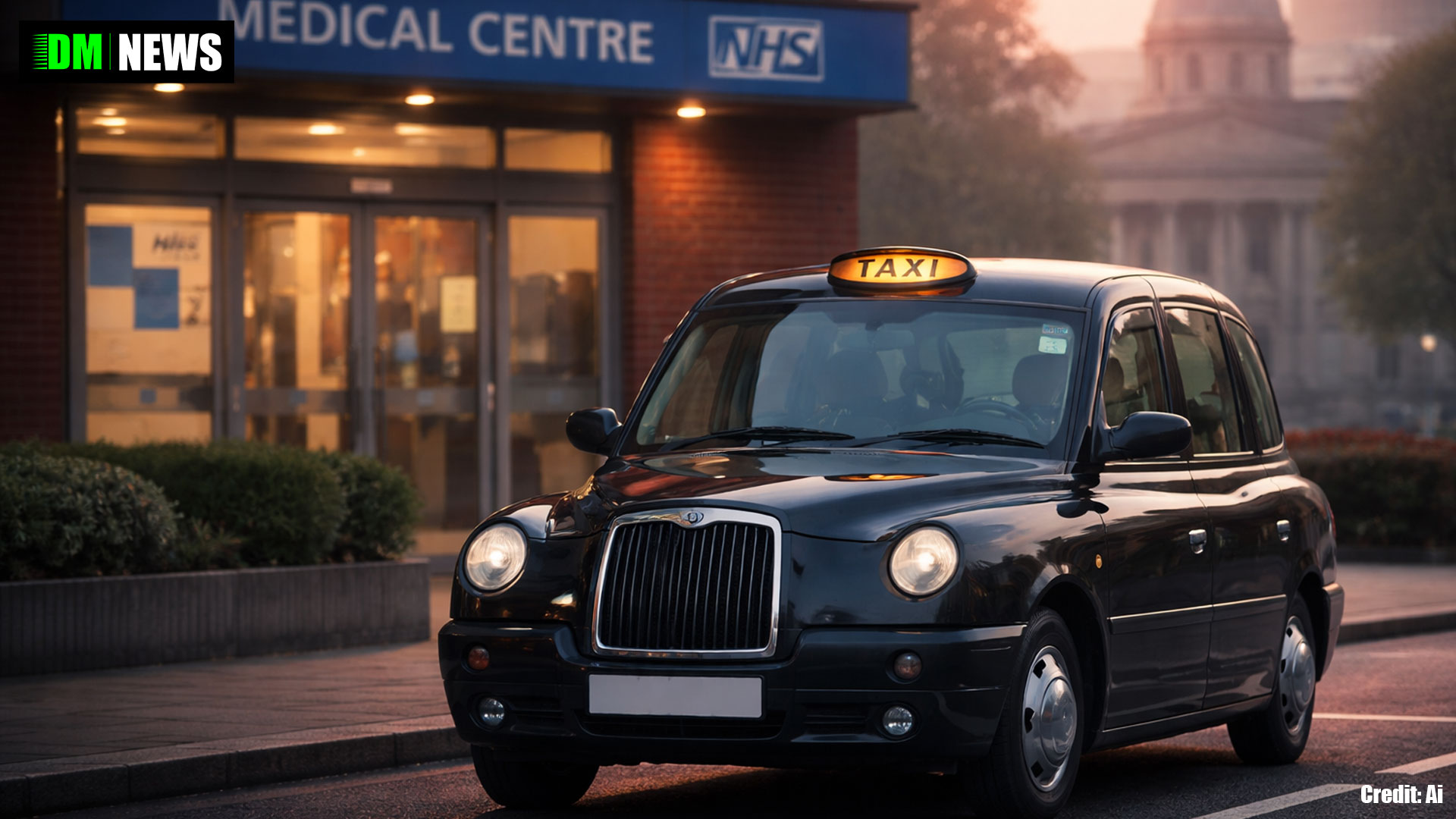
A ban has come into force preventing most asylum seekers from using taxpayer-funded taxis to attend medical appointments, after it emerged that the cost to the public purse had reached around £15 million a year, according to a report by GB News.
The decision follows cases where taxi journeys were found to be particularly expensive. One example cited involved an asylum seeker charging the Home Office £600 for a 250-mile taxi journey to attend a medical appointment, raising concerns about oversight and value for money.
Figures revealed last year showed that £15.8 million was being spent annually on taxi travel for asylum seekers attending GP and medical appointments. Following these findings, Home Secretary Shabana Mahmood launched an urgent review into the use of taxis within the asylum support system.

Under the new rules, asylum seekers will only be allowed to use taxis in specific circumstances, including cases involving disability, serious illness, or pregnancy. Even in these situations, each taxi journey must now receive authorisation from Government officials, rather than being routinely approved.
The move comes amid wider scrutiny of asylum-related spending. According to the figures referenced, total real-terms expenditure rose from £299 million in 2019–20 to £744 million in 2024–25, representing a 148 per cent increase.
The Government has also pledged to end the use of asylum hotels by 2029. Latest Home Office figures show that the number of asylum seekers being temporarily housed in hotels increased by 13 per cent to 36,273 by the end of September.
DM News Commentary
This story was always going to spark debate — and from a taxi and private hire perspective, it highlights how poorly controlled Government transport contracts can quickly become a political issue.
£15 million a year on taxi journeys, with examples of £600 single trips, was never going to be sustainable without tighter checks. When spending reaches those levels, it’s inevitable that taxis become the focus rather than the systems that approved the journeys in the first place.
However, it’s also worth noting that taxis were often being used because no realistic alternatives were in place, particularly for people housed far from GP surgeries or hospitals. Simply restricting taxi use without proper transport planning risks pushing the problem elsewhere.
For drivers and operators, this reinforces a familiar pattern: when public-sector transport schemes lack clear rules and authorisation, the taxi trade ends up caught in the middle of political fallout — despite simply carrying out work that was approved at the time.
Targeted use of taxis for genuine medical need makes sense. Unchecked spending without oversight does not.
Thanks for visiting DM News! If you’ve got a question, a story tip, or anything you’d like to share, head over to DriverMatty.com — I’d love to hear from you.
While you’re there, don’t forget to check out my other websites and social media channels.