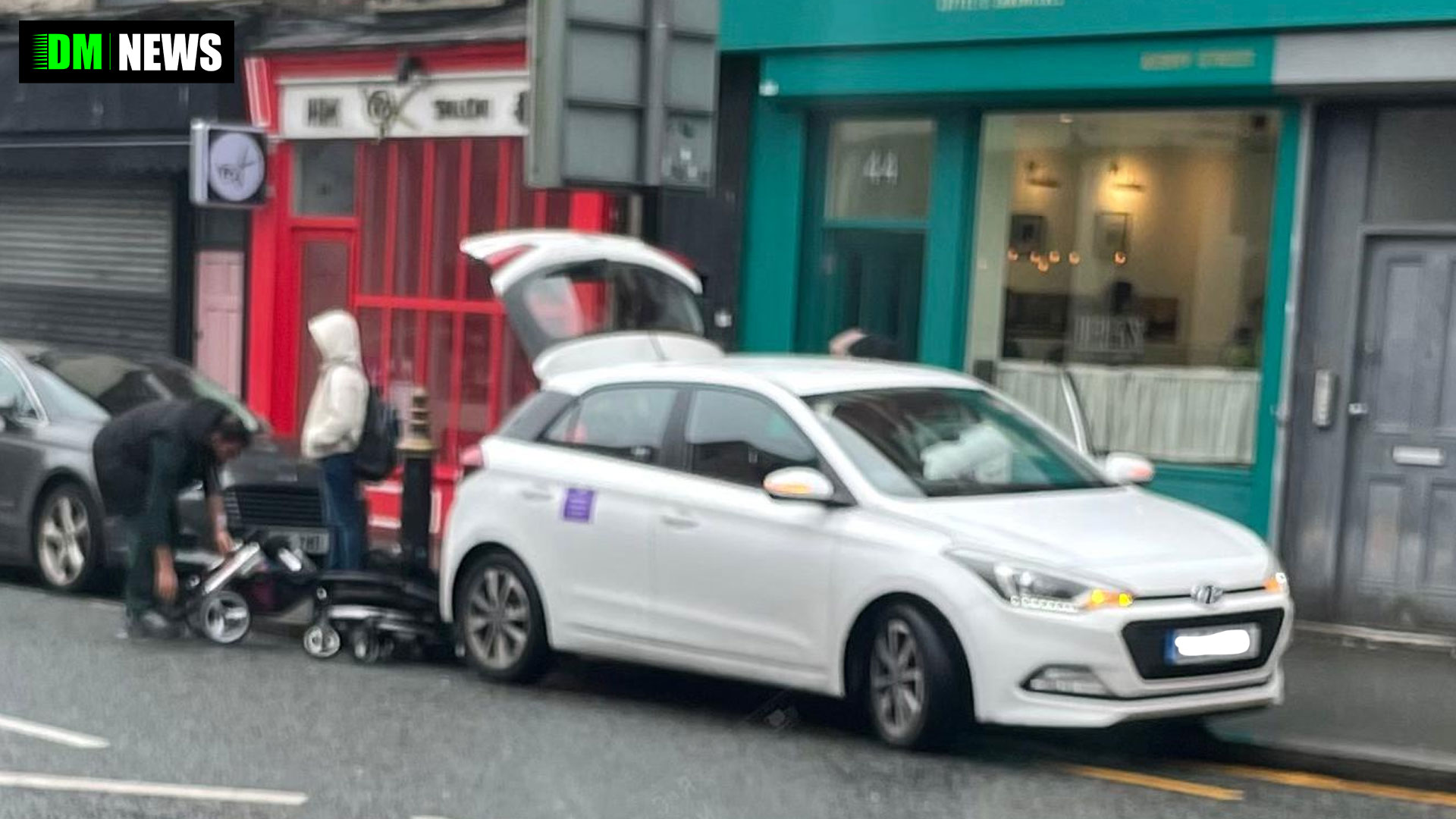
An Uber driver has contacted DM News after witnessing another licensed Uber vehicle struggle to complete what many drivers would consider a routine family booking.
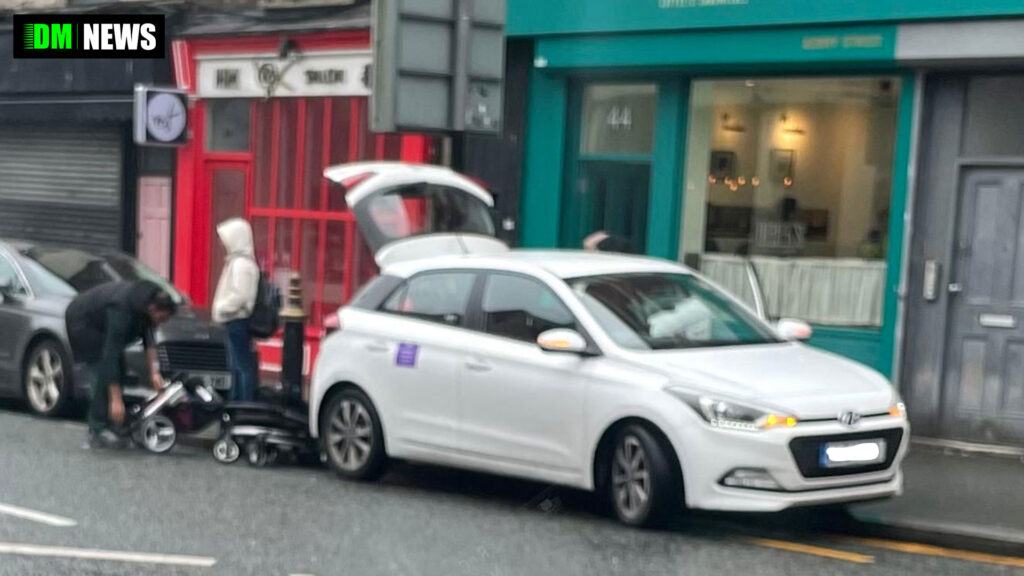
The vehicle in question was a Hyundai i20, licensed by Liverpool City Council, identifiable by its purple private hire plate magnet. According to the driver who submitted the image, the booking involved two adults, two children, and two prams.
The driver reportedly spent around 10 minutes attempting to fit the prams into the boot, causing disruption on the street and visible frustration for both driver and passengers.
Not an isolated issue
While the Hyundai i20 is a relatively small hatchback, it is far from the smallest vehicle currently licensed by UK councils.
Across the country, councils continue to plate vehicles such as:
- Toyota Yaris
- Renault Zoe
- Hyundai i10
- Peugeot 208
- Vauxhall Corsa
All of these vehicles can meet minimum licensing standards while offering very limited boot space.
Minimum standards vs real-world use
Most councils, including Liverpool, license vehicles based on baseline criteria:
- Four doors
- Five seatbelts
- Valid MOT and insurance
- Passing a mechanical inspection
What councils do not assess is whether a vehicle is practically suitable for everyday private hire work.
Family journeys involving prams, shopping, suitcases, or airport transfers are not rare edge cases — they are routine bookings on platforms like Uber.
Yet drivers using small hatchbacks are often placed in impossible situations:
- Accept the job and struggle
- Cancel and risk penalties
- Or face complaints from passengers who expected more space
Who takes the blame?
When these situations occur:
- Passengers blame the driver
- Drivers blame councils and platforms
- Councils point to policy compliance
- Platforms classify the vehicle as “standard”
The result is a growing disconnect between what is legal and what is practical.
Is it time to rethink vehicle suitability?
This raises an uncomfortable but necessary question:
If a licensed private hire vehicle cannot reasonably carry two adults, two children, and a pair of prams, is it truly fit for purpose?
Many drivers argue that councils should consider:
- Minimum boot capacity, not just seat count
- Clearer guidance on family-suitable vehicles
- Or differentiated licensing categories based on vehicle size
Without reform, drivers will continue to face the consequences of a system that prioritises minimum compliance over service quality.
DM News Commentary
This isn’t about attacking drivers who use smaller vehicles — many are doing so out of financial necessity.
The real issue sits with licensing policy lagging behind reality. Private hire work in 2026 is not just single-passenger city hops. Families, luggage, pushchairs, and airport runs are everyday jobs.
Until councils and platforms align licensing standards with how the job actually works, drivers will continue to be set up to fail — and the reputation of the trade will suffer for it.
Thanks for visiting DM News!
If you’ve got a question, a story tip, or anything you’d like to share, head over to DriverMatty.com — I’d love to hear from you.
While you’re there, don’t forget to check out my other websites and social media channels.