
If you’ve been bracing yourself for fuel prices to climb at the pumps, there’s a bit of breathing room — for now. The government has pushed back the planned increase to fuel duty, keeping the 5p-per-litre cut in place for longer than originally scheduled. But before you celebrate, there’s a separate VAT change that’s already kicked in and could cost business drivers a fair chunk depending on what they drive.
Here’s what’s actually going on.
The 5p cut lives to fight another day
The 5p cut to fuel duty has been around since March 2022, when it was brought in to soften the blow of soaring prices after Russia invaded Ukraine. It was always meant to be temporary, and the Autumn Budget 2025 laid out a plan to phase it out in stages, with the first 1p increase due to land on 1 September 2026.
That September increase has now been delayed. The Prime Minister told the Commons that families are dealing with the fallout of a war they didn’t choose, pointing to fresh pressure on pump prices linked to conflict in the Middle East. The upshot is the full 5p cut now stays in place through to the end of 2026 rather than starting to unwind in the autumn.
In real terms, the cut keeps roughly £3 off the cost of filling a typical 55-litre tank compared to what you’d pay without it. For anyone doing serious miles — and that’s most of you reading this — that adds up over a year.

Don’t get too comfortable
The bad news is this is a delay, not a reprieve. The plan remains to claw the 5p back in stages, and from April 2027 fuel duty is set to rise every year in line with RPI inflation, ending a freeze that’s been in place in one form or another since 2011. So the era of cheap-ish fuel tax is on borrowed time. If you run a vehicle for a living, it’s worth factoring rising costs into your budgeting now rather than getting caught out later.
The VAT change you might have missed
While the fuel duty story grabbed the headlines, HMRC quietly updated its VAT road fuel scale charges, and these came into force on 1 May 2026, running through to 30 April 2027.
If you’re not familiar, the road fuel scale charge is a fixed sum used on a VAT return to account for the private use of fuel in a business vehicle. It’s relevant if you reclaim VAT on fuel but also use the vehicle for personal trips. You’ve basically got three options: reclaim the VAT in full and pay the scale charge, reclaim nothing at all, or keep careful records and split it based on business versus private mileage.
The charge depends on your vehicle’s CO2 emissions, and the rates climb in steps of 5g/km. For a full 12-month accounting period, the charges range from £657 for vehicles emitting 120g/km of CO2 or less, up to £2,297 for the dirtiest vehicles putting out 225g/km or more. There are equivalent figures for three-month and one-month accounting periods too.
If your vehicle’s too old to have a CO2 figure, HMRC says you work out the band based on engine size instead.
What this means for you
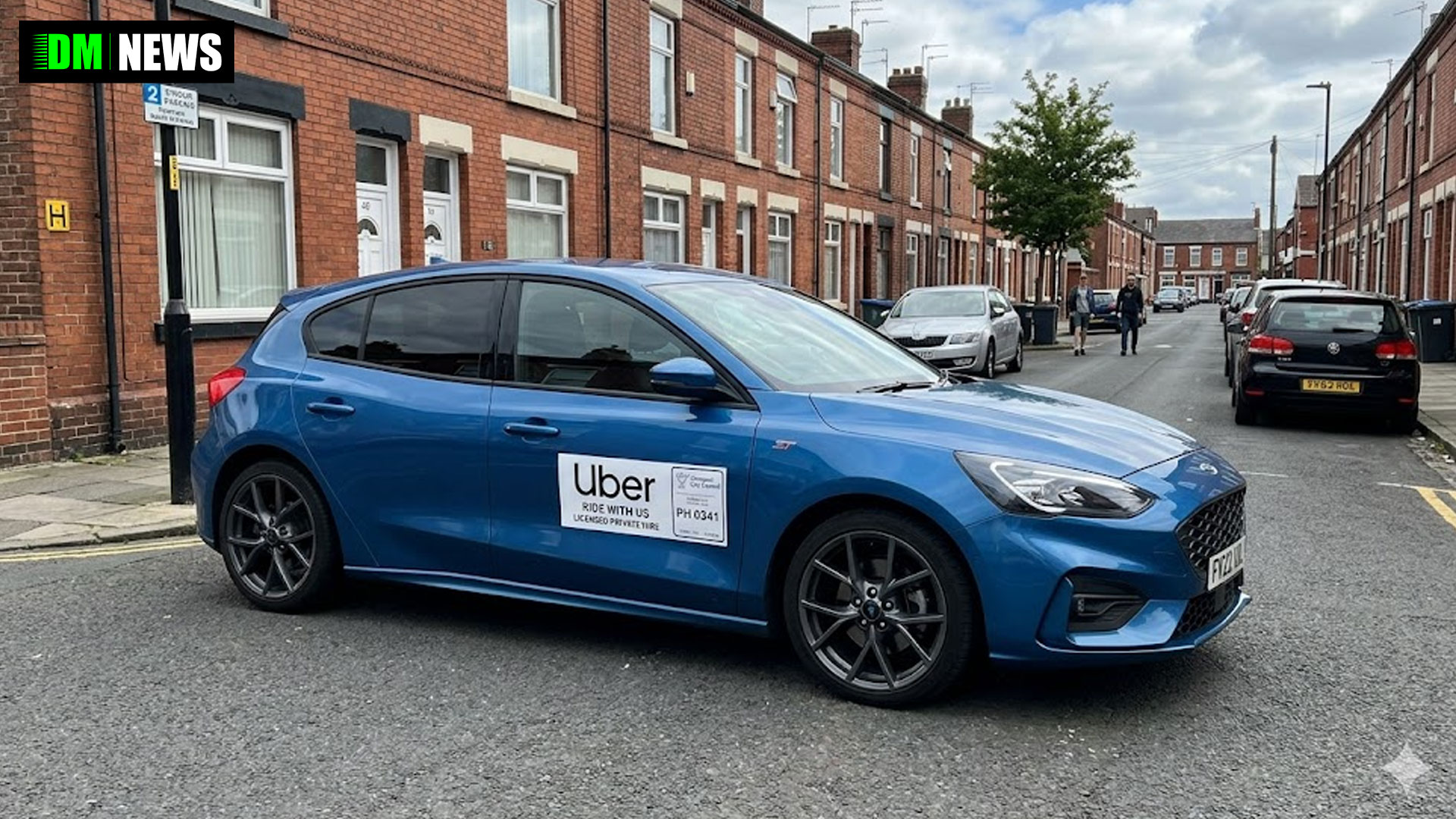
If you’re a PHV or taxi driver running a cleaner, lower-emission motor, this is another point in favour of making the switch — the VAT scale charge is significantly lower at the cleaner end of the scale. And with the fuel duty clock ticking towards 2027, keeping your running costs down is only going to matter more.
For now, enjoy the extended cut while it lasts, and if you reclaim VAT on fuel, make sure you’re using the correct scale charge for your accounting period from 1 May onwards.
Thanks for visiting DM News! If you’ve got a question, a story tip, or anything you’d like to share, head over to DriverMatty.com — I love to hear from you. While you’re there, don’t forget to check out my other websites and social media channels.
Sources: