
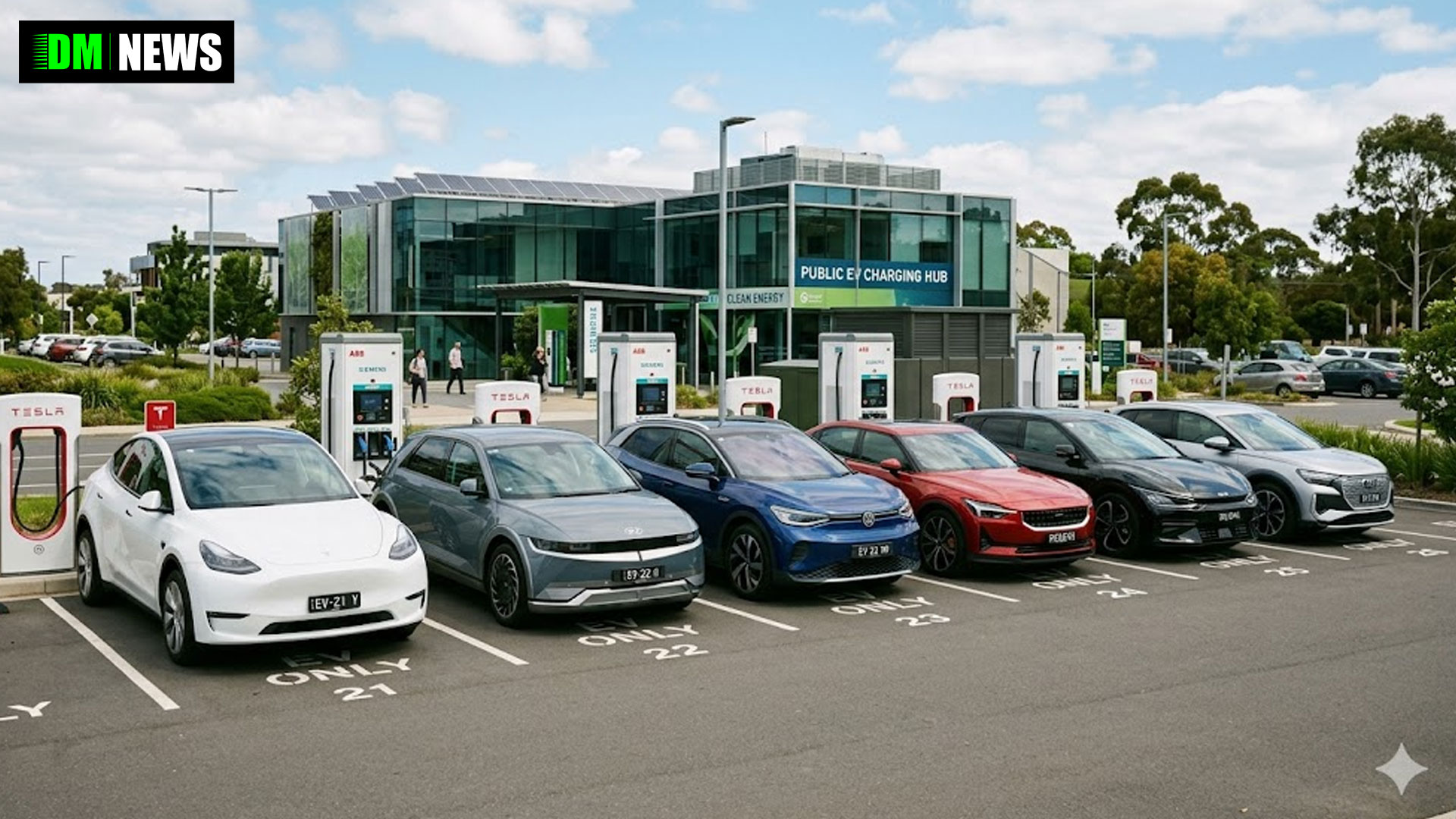
A new set of figures making the rounds this week paints a stark picture of where the economics of running a fleet are heading — and it’s not good news for diesel.
According to data highlighted by Birmingham-based charging firm Voltempo, businesses running diesel fleets are now spending around 33% of their total operating costs on fuel. Compare that to electric fleets, which are spending just 3% of total operating costs on the electricity to power their vehicles. That’s a roughly 40% saving at the depot for those who’ve made the switch.

For anyone running a taxi or private hire business — particularly larger operators with multiple vehicles — those numbers are hard to ignore. Even for owner-drivers, the underlying logic still applies: every penny on the fuel side of the P&L is a penny that can’t go anywhere else.
Voltempo, which leads the eFREIGHT 2030 consortium under the Government’s £200 million Zero Emission HGV and Infrastructure Demonstrator Programme, has now installed 35 EV charging stations at depots across the UK. The company has previously said it is looking to install more than 50 ultra-rapid chargers along the strategic road network. Its HyperCharger product offers ratings of up to one megawatt (1,000kW), aimed primarily at heavy goods vehicles.
The political backdrop matters too. Continued instability in the Middle East has pushed up oil prices, with industry voices warning that pump prices could climb back towards £2 a litre — a level that would tip hundreds of pounds onto the cost of filling a single van or HGV tank.
Voltempo CEO Simon Smith argues that the risk is structural: “British haulage has always been one fuel crisis away from a margin squeeze. That exposure doesn’t have to be structural. The charging infrastructure is here. The economics are clear. And increasingly, the electric fleet isn’t just a cost decision. It’s a commercial one. Customers are choosing hauliers who have made the switch.”
Welch Group managing director Chris Welch added a real-world data point: switching to an electric fleet has, he said, resulted in a 14.3% year-to-date jump in revenue, with customers not paying a premium for electric miles as the cost per mile gap between diesel and electric continues to narrow.
A few things worth flagging for licensed trade readers:
- These figures are commercial fleet figures, not taxi-specific. A black cab or PHV operating profile is different — typically lower mileage per day, mixed urban running, and often single-vehicle owner-operated.
- The headline savings depend heavily on the price you pay for electricity. Home charging on an EV tariff is one number; public rapid charging at 50p/kWh-plus is another entirely.
- The case is being made by businesses with skin in the game — a charging network operator and a haulier that has invested in electrification. That doesn’t make the numbers wrong, but it’s worth knowing where they come from.
Even with those caveats, the direction of travel is clear. With the ZEV mandate continuing to ramp up, fuel prices unpredictable, and licensing authorities (including some councils that license taxis and PHVs) increasingly setting zero or ultra-low-emission deadlines, the financial argument for sticking with diesel is getting weaker by the month.
Thanks for visiting DM News! If you’ve got a question, a story tip, or anything you’d like to share, head over to DriverMatty.com — I love to hear from you. While you’re there, don’t forget to check out my other websites and social media channels.
Sources: