
Britain’s bid to be a global leader in self-driving cars has taken its biggest step yet, with the UK Government signing a Memorandum of Understanding with London-based autonomous vehicle company Wayve to accelerate the rollout of driverless technology on UK roads.
According to GOV.UK, the agreement between Wayve and the Department for Business and Trade is designed to deepen collaboration on next-generation self-driving technologies and back the scale-up as it continues to grow at home. Wayve will share insights from real-world trials with government and regulators, supporting the kind of learning that could underpin a national rollout of self-driving services and inform future regulations and standards.
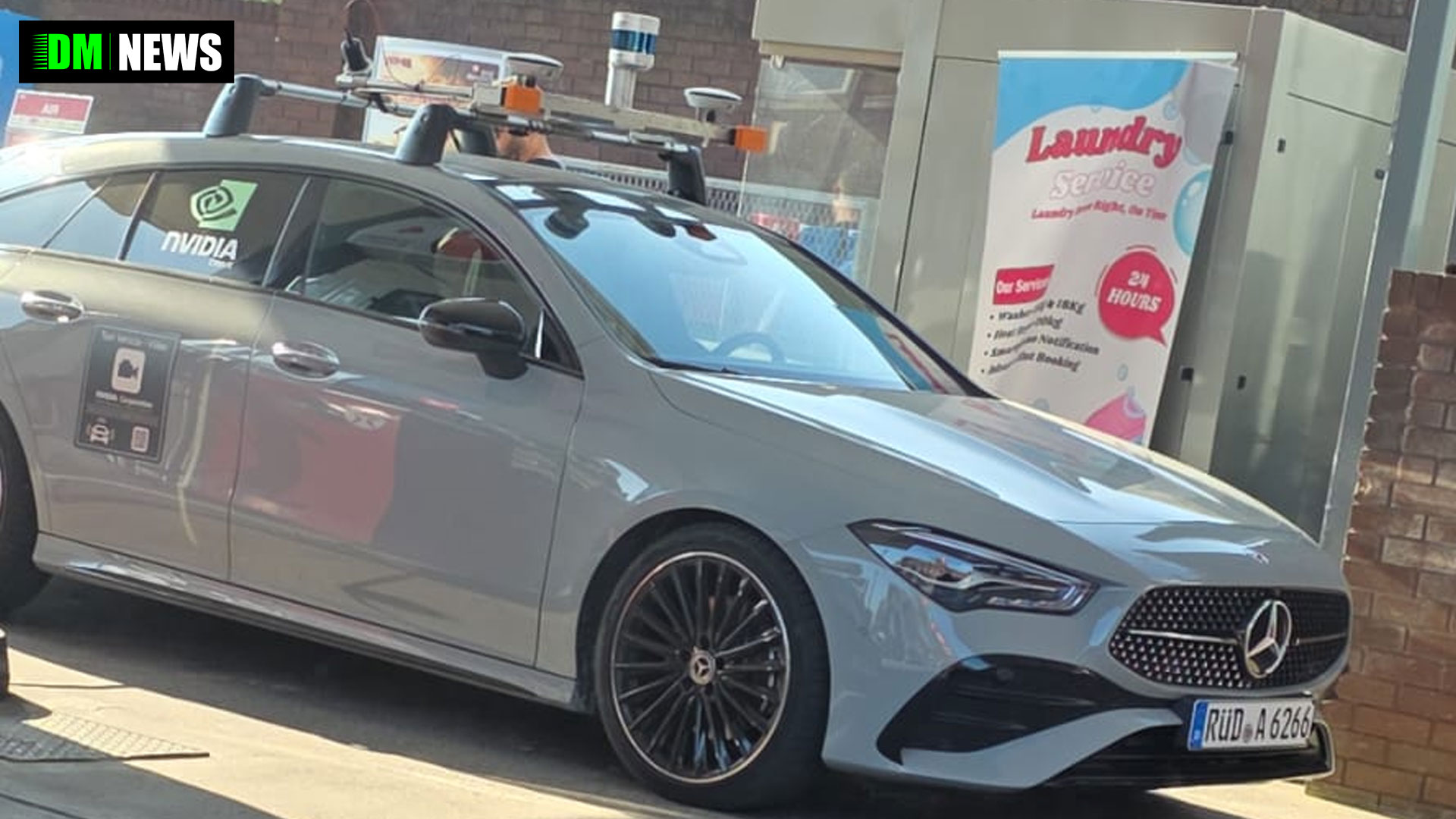
The deal lands just months after Wayve closed one of the largest funding rounds in British tech history. ITV News reports that the company secured a $1.5 billion (£1.1 billion) Series D investment in February 2026, valuing the business at around $8.6 billion (£6.4 billion). The round attracted high-profile backers including Microsoft, Nvidia, Uber, SoftBank Vision Fund 2, Baillie Gifford and the British Business Bank, alongside major car manufacturers Mercedes-Benz, Nissan and Stellantis.
Wayve plans to launch commercial robotaxi trials in London in 2026 in partnership with Uber, with ambitions to deploy its “supervised autonomy software” in consumer vehicles from 2027. Its technology uses AI models that learn to drive from video content and driving data rather than relying on hand-coded rules or HD maps — an approach the company calls “embodied AI” or AV2.0.
Business Secretary Peter Kyle, quoted on GOV.UK, said: “This partnership with Wayve shows how government is backing high-growth British scale-ups through our Modern Industrial Strategy to turn world-leading research into real-world deployment. By working hand-in-hand with innovative companies, we are accelerating self-driving technology while anchoring jobs, investment and manufacturing here in the UK — making Britain the best place to start, scale and grow a business.”
Science and Technology Secretary Liz Kendall added that Wayve was “a true British AI success story, putting the UK at the forefront of self-driving technology” and said the agreement would “help secure high-skilled tech and advanced manufacturing jobs in this country.”
For the taxi and private hire trade, the story is significant — and uncomfortable. Wayve’s London trial with Uber is the most concrete step yet towards driverless private hire vehicles on UK roads. Google’s Waymo has also signalled plans to bring driverless private hire to London. Both companies, in different ways, are working towards a model where the human driver behind the wheel becomes optional.
That doesn’t mean the trade disappears tomorrow. Robotaxi services begin as small, geographically limited trials and scale gradually, and current UK law still requires significant regulatory groundwork before autonomous vehicles can carry paying passengers without supervision at scale. But the direction of travel is now clearly set out in a government-backed agreement, and Wayve’s funding round shows just how much capital is lining up behind the change.
For drivers, the practical question is no longer whether autonomous vehicles arrive in the private hire market, but when — and what reasonable steps the industry and government take to support drivers through that transition.
Thanks for visiting DM News! If you’ve got a question, a story tip, or anything you’d like to share, head over to DriverMatty.com — I love to hear from you. While you’re there, don’t forget to check out my other websites and social media channels.
Sources:
- Government and Wayve sign partnership to accelerate Britain’s self-driving future — GOV.UK
- Driverless ‘robotaxis’ could come to UK roads after £1.1bn investment — ITV News
- Wayve Signs UK Government MoU to Accelerate British Self-Driving Car Industry — Business Matters Magazine
- Wayve secures £1.1bn investment to fund self-driving plans — Tech Digest