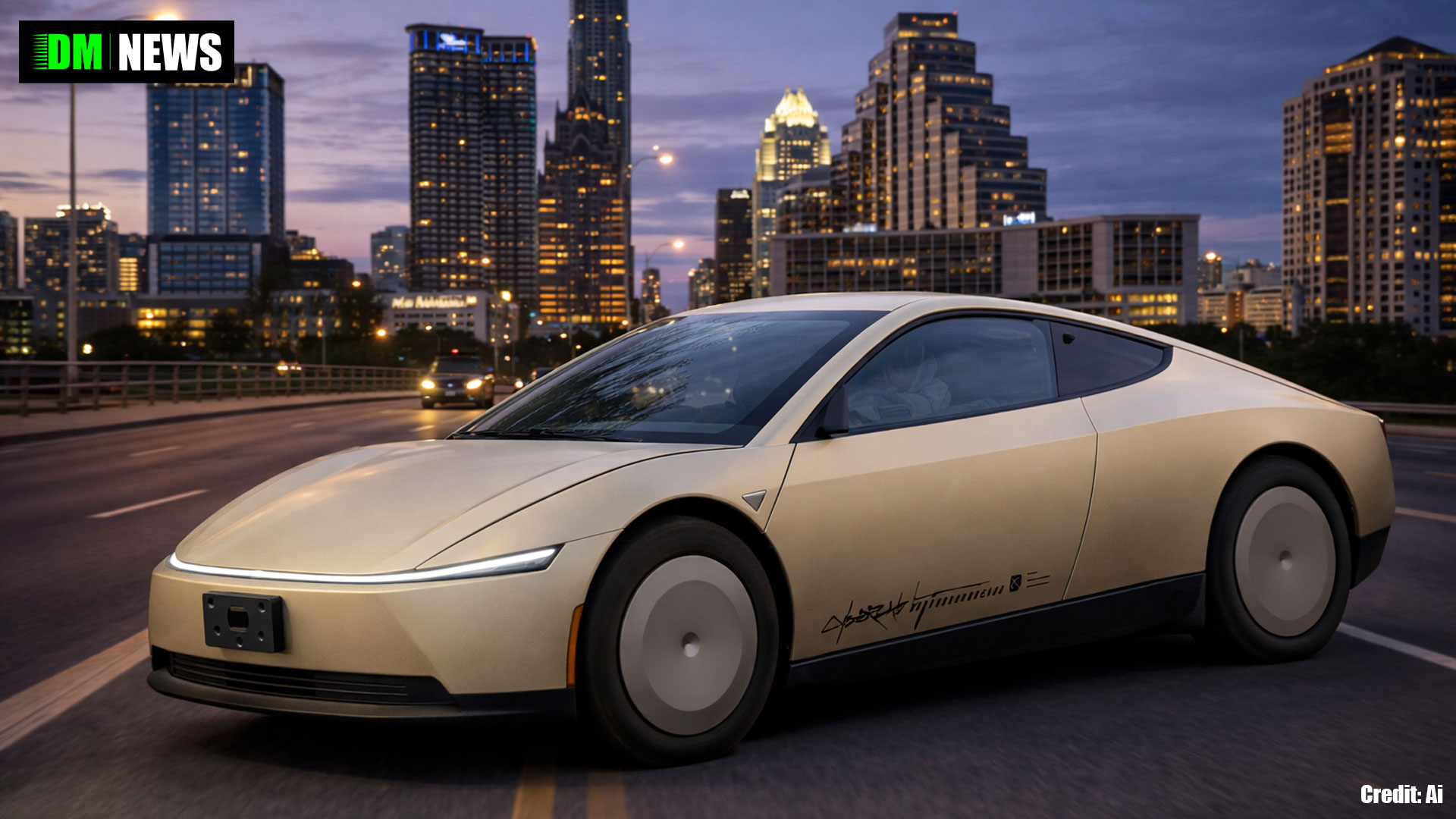
Driverless “Cyber Cab” style vehicles are already being tested on public roads in Austin, and early trial pricing is raising serious questions about the future of traditional ride-hailing services such as Uber.
According to information shared with DM News, passengers taking part in autonomous taxi trials in Austin are already seeing significantly lower prices than standard Uber fares for comparable journeys. While these vehicles are still operating in controlled trial environments, the cost difference is hard to ignore.
These prices reflect current trial and experimental autonomous taxi pricing in Austin; Tesla has not yet confirmed commercial Cybercab fares.
How Much Cheaper Are Cyber Cabs?
During current trials, driverless cyber cab journeys in Austin are reportedly being offered at around $0.20 to $0.40 per mile, depending on distance and availability.
By comparison, a typical UberX journey in Austin usually costs:
- Around $1.20–$1.50 per mile
- Plus time-based charges
- Plus booking and service fees
- With surge pricing regularly pushing fares higher
On a 10-mile journey, that means:
- Cyber cab (trial pricing): roughly $2–$4
- UberX (normal conditions): roughly $15–$22
- UberX (busy periods): $25+
That puts autonomous cyber cabs undercutting Uber by $10–$20 per trip, even before surge pricing is factored in.
Why Are Driverless Rides So Cheap?
The reason is simple economics. Driverless vehicles remove:
- Driver wages
- Insurance linked to human drivers
- Idle downtime between jobs
With no driver to pay and vehicles able to operate almost continuously, autonomous fleets can afford to charge dramatically lower prices while still working towards profitability.
Companies linked to autonomous ride-hailing — including projects associated with Tesla — have long argued that this model is the future of urban transport, and Austin is becoming a real-world testing ground for that claim.

DM News Commentary
What’s striking here isn’t just the technology — it’s the pricing reality. This isn’t a future promise anymore. Trial users in Austin are already seeing what happens when driver costs are removed from the equation.
If cyber cab pricing stays anywhere near current trial levels when services scale up, traditional ride-hailing platforms face a serious challenge. Surge pricing becomes very hard to justify when an autonomous alternative can offer predictable, low-cost journeys.
For drivers, this raises uncomfortable questions about long-term job security. For passengers, it’s hard to argue against cheaper fares. The big unknown now is how quickly these services move from trials to full commercial rollout — and how regulators respond.
Austin may only be the beginning.
Thanks for visiting DM News! If you’ve got a question, a story tip, or anything you’d like to share, head over to DriverMatty.com — I’d love to hear from you.
While you’re there, don’t forget to check out my other websites and social media channels.