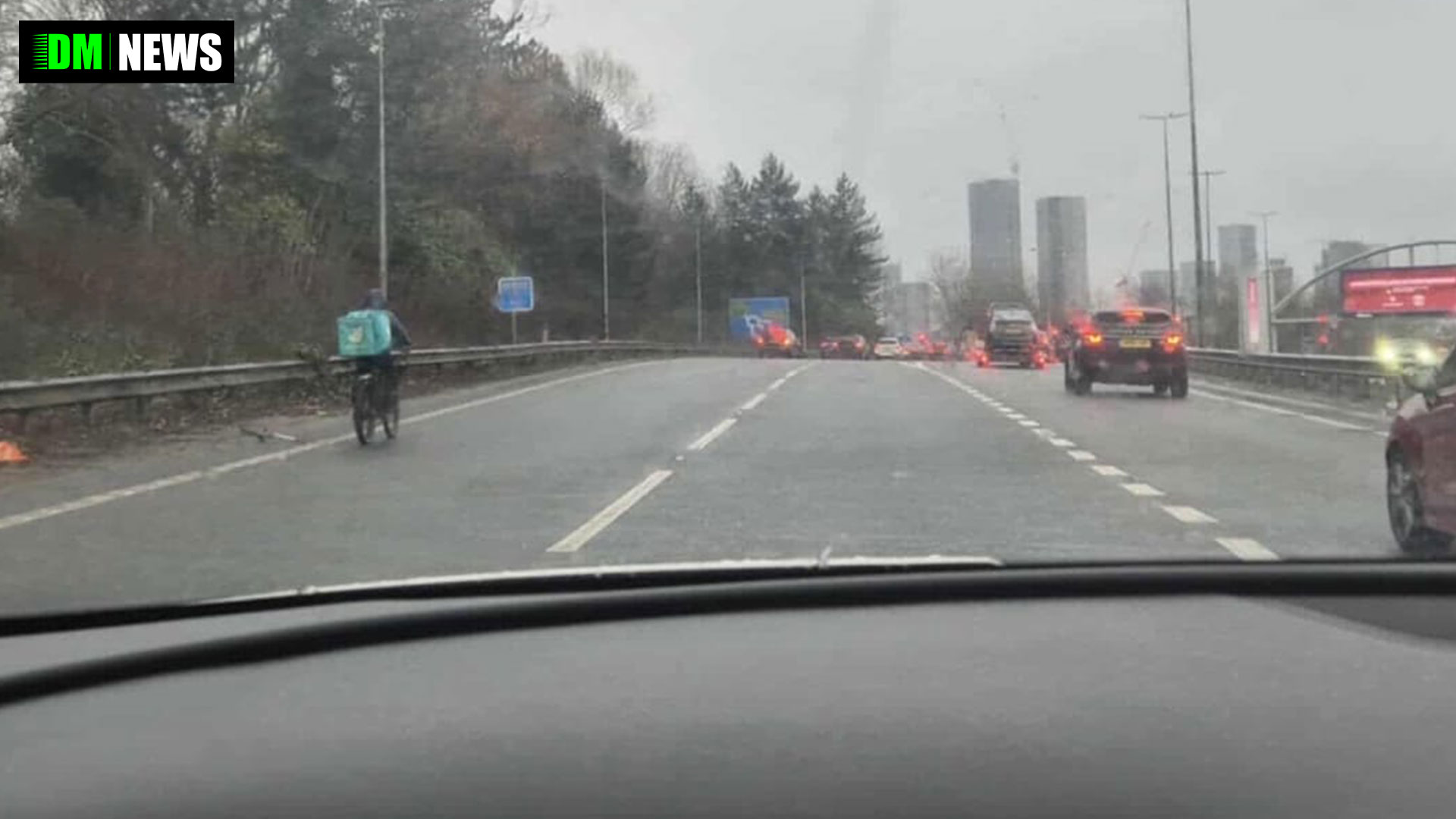

Work is set to begin on Speke Hall Road later this month as Liverpool City Council starts a programme of improvements across several key routes in the city.
According to a report by the Liverpool Express, the council has appointed Aureos Highways to deliver the scheme, with works scheduled to start on Monday 16 February and expected to last 26 weeks.
The project forms part of the Liverpool City Region Key Route Network Levelling Up Programme, which aims to improve the reliability and resilience of major roads while supporting the council’s wider commitment to maintaining and improving the highway network for all users.
The first phase of the works will involve surveys and investigations. During this period, drivers should expect lane closures and temporary traffic lights, with the council advising people to allow extra time for journeys through the area.
Once the main works are underway, the programme will include:
- Resurfacing sections of Speke Hall Road
- Improvements to road drainage
- Upgrades to traffic signals and street lighting at key junctions
- Enhanced pavements and pedestrian crossings to improve safety and accessibility
To keep local residents and businesses informed, Liverpool City Council will hold a series of drop-in engagement events where people can learn more about the scheme and discuss its impact:
- Thursday 12 February, 4pm–8pm – Simpson Ground Leisure United
- Tuesday 24 February, 4pm–8pm – Speke Training and Education Centre
Liverpool City Council’s Cabinet Member for Transport and Connectivity, Councillor Dan Barrington, said the investment is an important step in improving safety, accessibility and journey reliability on this key route, while also recognising that the works will cause disruption during construction.

DM News Commentary
Speke Hall Road is a vital route for south Liverpool, particularly for traffic heading to and from Liverpool John Lennon Airport and nearby industrial areas. For taxi and private hire drivers, 26 weeks of works is likely to mean delays, temporary congestion and altered traffic flows, especially during peak times.
While the short-term disruption is frustrating, improved road surfaces, drainage, and upgraded signals should benefit drivers in the long run by reducing congestion hotspots and vehicle wear and tear. In the meantime, drivers working this area should plan ahead, allow extra time, and keep an eye on diversion routes as the works progress.
Thanks for visiting DM News! If you’ve got a question, a story tip, or anything you’d like to share, head over to DriverMatty.com — I’d love to hear from you.
While you’re there, don’t forget to check out my other websites and social media channels.