According to BBC News, a Freedom of Information request revealed 17 reports of alleged sexual assault or rape involving Wolverhampton-licensed private hire drivers between 11 August and 11 November. The council said its rate of reports is lower than many other authorities and maintains that safeguarding is a top priority.
DM News Commentary
This FOI figure will intensify scrutiny of Wolverhampton’s licensing system, which has become the most controversial issue in the UK’s private hire sector.
Wolverhampton now licenses around 33,900 PHVs, with 96% working outside the city — a model that has transformed the entire industry. For years, drivers, operators and councils across the UK have argued that the system creates major enforcement gaps:
1. Scale brings higher numbers, but also bigger challenges
When one authority licences tens of thousands of drivers dispersed across the country, complaint numbers will naturally rise. But the bigger issue is how effectively investigations can be carried out when incidents occur hundreds of miles from the licensing authority.

2. Passengers have no idea who actually licensed their driver
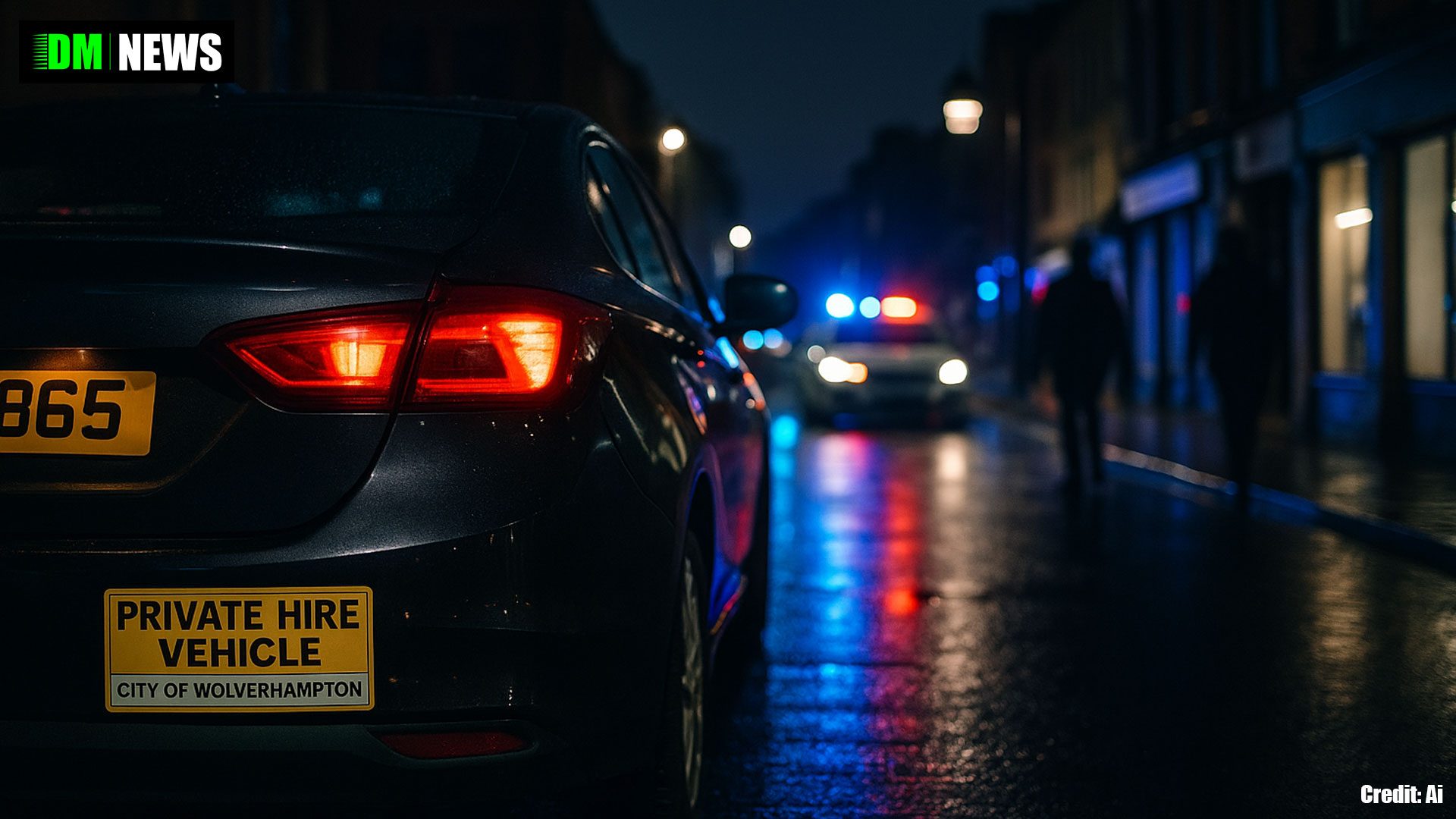
In most cities, a customer ordering through Uber, Bolt or a local operator may assume their driver is locally licensed — when in reality, there’s a strong chance the car carries a Wolverhampton plate.
This disconnect fuels frustration among councils who claim they’re left dealing with the aftermath of incidents without having the power to regulate or discipline the drivers involved.
3. The safeguarding debate is far from settled
While Wolverhampton Council insists that safeguarding standards are robust, the sheer volume of remote licences continues to raise questions:
- Can any authority realistically protect the public when 96% of its vehicles operate elsewhere?
- Are licensing fees funding adequate oversight and enforcement?
- Should licensing be reformed nationally to prevent patchwork oversight?
4. The industry wants clarity, consistency — and accountability
Private hire operators, drivers and trade groups have repeatedly called for a national licensing standard, arguing that high-profile cases and allegations — even unproven ones — damage the reputation of the entire sector.
Reform is now being demanded not just for compliance, but for public confidence. Most drivers work hard, follow the rules, and never encounter allegations — yet stories like this create widespread fear and mistrust.
For an industry that millions rely on daily, the question is no longer whether change is needed…but how long the government will delay meaningful action.
Thanks for visiting DM News!
If you’ve got a question, story, or anything you’d like to say, head over to DriverMatty.com — I’d love to hear from you! And while you’re there, don’t forget to check out my other websites and social media channels.